Beyond the Crowds at Canton Fair Phase II: The Real Turning Point for Wooden Tableware
Beyond the Crowds at Canton Fair Phase II: The Real Turning Point for Wooden Tableware
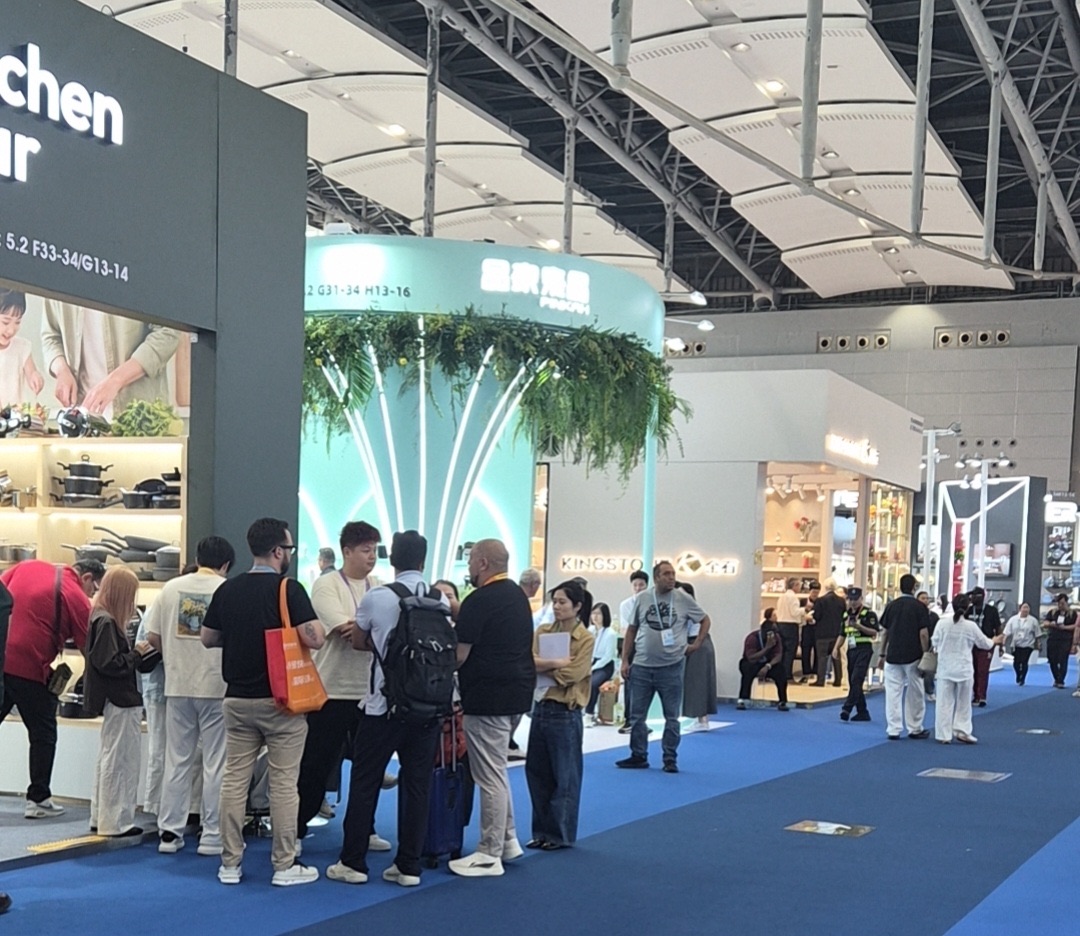
Walking through the cavernous halls of the Canton Fair Phase II in Guangzhou, the first thing that hits you is the sheer density of human traffic. Buyers from across Europe, the Americas, and the Middle East move shoulder-to-shoulder. The air is thick with the murmur of negotiation and the rapid exchange of business cards.
Phase II is dedicated to household goods, gifts, and daily necessities. In the past, the aisles were dominated by ceramics, glassware, and kitchen textiles. But this year, if you stood still and watched the flow of buyers, a quiet but profound shift was visible.
An increasing number of international purchasing managers were bypassing the ornate dinnerware displays and heading straight toward the unassuming booths filled with natural materials—specifically, disposable wooden tableware.
As a manufacturing team that has spent over a decade in the birch wood industry, we attended the fair not to exhibit, but to observe. What we saw is not just a seasonal spike in interest. It is a structural turning point.
The Nature of the Traffic
Looking closely at the crowds, the caliber of buyers has changed. A few years ago, the people asking about wooden cutlery were often niche boutique owners or small eco-conscious brands. It was a novelty market.
Today, the buyers holding wooden cutlery samples are procurement directors from major European foodservice chains, packaging distributors from North America, and sourcing agents for large-scale catering groups.
The questions they ask have changed, too. They are no longer just asking about price. They are asking about FSC chain-of-custody certificates. They are running their fingers along the edges to check for burrs. They are putting pressure on the knife blades to test rigidity. They are asking about dust-free packaging environments and container loading capacities.
This shift in buyer profile and inquiry depth tells us one thing: the transition away from single-use plastics is no longer a marketing experiment. It has become a core compliance and supply chain strategy.
The Driving Force: Policy and Pragmatism
The wave of interest at the Canton Fair is underpinned by hard regulatory reality. The European Union’s Single-Use Plastics Directive is fully in force, and various state-level restrictions in the US market are tightening annually. For major Western brands and retailers, failing to source compliant materials means risking fines and severe brand backlash.
However, pragmatism is also at play. Buyers have realized that the "compostable plastic" alternatives (like PLA) have their own limitations. They require strict industrial composting conditions that are rarely available in daily commercial disposal.
Natural wood—particularly birch—has emerged as the most pragmatic solution. It does not require a complex industrial breakdown process. It is visually appealing to the end consumer. It is naturally rigid. The industry has reached a consensus: wood is not just a temporary substitute; it is a permanent replacement.
What This Means for the Supply Chain
The optimism in Guangzhou does not ignore the challenges ahead. The surge in demand is stretching manufacturing capacity, and not all factories are equipped to handle the technical requirements of a demanding European or American market.
As buyers return home and prepare to place orders for the upcoming season, the distinction between suppliers will become stark. The real winner in this industry will not be the factory that quotes the lowest price per unit. The winner will be the one that can guarantee consistency at scale.
That means seamless control over heat treatment to ensure knives do not snap. It means strict moisture regulation to prevent warping in transit. It means a packaging environment that guarantees the product remains food-safe from the production line to the dining table.
Looking Ahead
Leaving the Guangzhou complex, the overwhelming feeling is one of undeniable momentum. The wooden tableware sector is finally stepping out of the shadow of the plastics industry and establishing its own identity.
For buyers, the opportunity lies in securing a reliable, certified supply chain early. For manufacturers, the mandate is clear: invest in precision, compliance, and scale. The market demand has arrived. It is now up to the industry to meet it with uncompromising quality.