How Mixed Container Orders Cut Costs for Wooden Cutlery Buyers
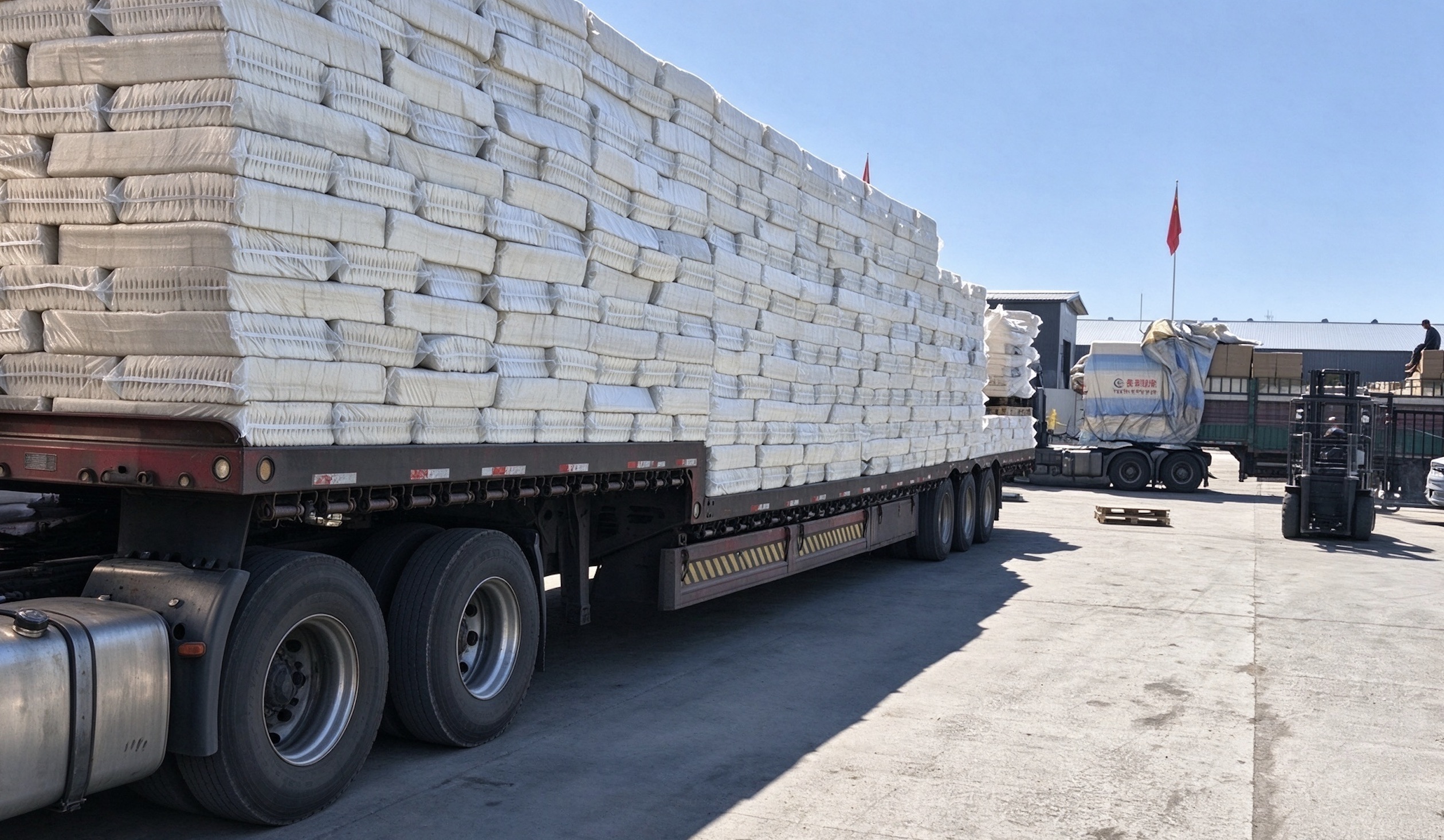
How Mixed Container Orders Cut Costs for Wooden Cutlery Buyers
If you import wooden cutlery from China, you have probably faced this problem: you need forks, knives, spoons, and
coffee stirrers from different suppliers, but each supplier requires a minimum order quantity. Before long, you are paying for three or four separate shipments, each with its own freight cost.
Mixed container loading solves this problem. It allows you to combine multiple products from one supplier into a single container, reducing both freight costs and administrative workload.
This article explains how mixed container loading works, what to watch for, and how to calculate whether it makes sense for your business.
What Is Mixed Container Loading?
Mixed container loading means filling one shipping container with different products from the same supplier. Instead of ordering 10,000 forks from one supplier and 10,000 spoons from another, you order both from one factory and they load them together into a single 40ft container.
For wooden cutlery, this typically includes:
- Birch forks, knives, and spoons in various sizes
-
coffee stirrers and sporks
- Wooden boats, cones, and trays
- Bamboo skewers and other complementary items
The container is loaded at the factory, sealed, and shipped directly to your port.
Why It Matters for Your Business
There are three main benefits.
1. Lower freight cost
One container costs the same whether it holds one product or ten. If you split your order across multiple suppliers, you pay multiple freight charges. Mixed loading from one factory eliminates this.
2. Lower minimum order commitment
Instead of meeting a full container minimum for each individual product, you meet it once across your entire order. This makes it easier to test new products without overcommitting.
3. Simpler supply chain
One supplier, one shipment, one set of documents. This reduces the time you spend coordinating with multiple vendors and the risk of delays caused by one supplier falling behind.
How to Plan a Mixed Container Order
The process is straightforward if you plan ahead.
Step 1: List your product requirements
Write down every item you need, with quantities. For example: 200,000 birch forks, 150,000 birch spoons, 100,000 coffee stirrers, 50,000 wooden boats.
Step 2: Confirm each item meets the minimum
Most factories set a minimum order quantity per item. At Runda, the minimum is 1 x 40ft container total, and you can mix different items within it. Confirm the per-item minimum with your supplier before planning.
Step 3: Calculate the container volume
A 40ft container holds roughly 67 cubic meters of cargo. Your supplier should be able to tell you how many cartons of each product fit, and whether your planned order fills the container efficiently.
Step 4: Confirm packaging and labeling
Each product may have different packaging requirements. Confirm the carton sizes, quantities per carton, and labeling needs before production begins.
Step 5: Finalize the loading plan
Your supplier should provide a loading plan showing how each product is arranged in the container. This helps prevent damage during transit and ensures the container is filled efficiently.
What to Watch For
Mixed container loading is simple in principle, but a few details can cause problems if overlooked.
Different lead times
Some products may take longer to produce than others. Make sure your supplier coordinates production so all items are ready at the same time.
Packaging compatibility
If you are combining retail-ready packaging with bulk packaging, confirm that the cartons can be stacked safely without crushing the retail units.
Documentation
Each product line may require separate documentation for customs. Confirm with your supplier that all necessary certificates and declarations are prepared before shipment.
A Simple Example
A European importer needs four products for the upcoming season: birch forks, birch spoons, coffee stirrers, and wooden boats.
Option A: Order from four suppliers
Four separate shipments, four freight costs, four sets of customs documents, four coordination timelines.
Option B: Order from one supplier with mixed loading
One 40ft container, one freight cost, one set of documents, one production schedule.
The product cost may be similar, but the total landed cost in Option B is significantly lower once freight and administrative time are included.
Final Thoughts
Mixed container loading is one of the most practical ways to reduce costs when sourcing wooden cutlery from China. It works best when you plan ahead, confirm minimum quantities and packaging details early, and work with a supplier who has experience coordinating multi-product shipments.
If you are planning a mixed container order and want help calculating quantities or container capacity, feel free to contact us. We handle mixed loading regularly and can provide a loading plan based on your product list.